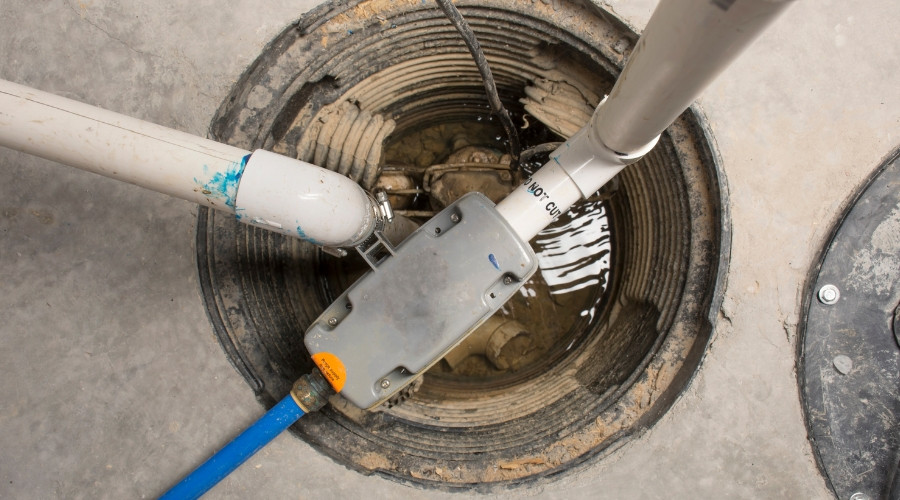
What Is a Sump Pump?
Basement or crawlspace flooding can destroy belongings, weaken structural components, and invite persistent moisture problems. A properly installed sump pump system helps move water away before it spreads, protecting both the home and its contents. This overview explains the main benefits of sump pumps, compares common primary pump styles, and outlines why every property with water‑intrusion risk should consider a reliable backup sump pump.
Benefits of Sump Pumps
 A sump pump sits in a low pit called a sump pump basin, where groundwater or seepage naturally collects. When liquid in the pit rises, a sump pump float switch activates the motor, sending water through a discharge pipe and away from the foundation.
By clearing water quickly, a sump pump reduces the likelihood of a flooded basement after storms, snowmelt, or plumbing leaks. Less standing water means less pressure on foundation walls and slabs, which helps limit cracking and long‑term shifting. Finished spaces, stored furniture, electronics, and sentimental items also gain critical protection from sudden water damage.
Drier conditions discourage mold and mildew growth on drywall, framing, carpeting, and stored boxes. That helps preserve indoor air quality and cuts down on musty odors that can linger long after visible water disappears. For many households, sump pump installation becomes a key part of an overall moisture‑control strategy.
Types of Primary Sump Pumps
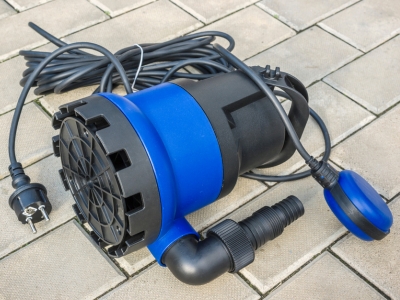 Most homes rely on one of two primary sump pump designs: a submersible sump pump or a pedestal sump pump.
A submersible sump pump operates entirely inside the basin. Because the motor is underwater and enclosed, this style tends to be more powerful and noticeably quieter, making it suitable for areas that see frequent or heavy water inflow. The tradeoff is a higher purchase price and slightly more complex access for maintenance or replacement.
A pedestal sump pump positions the motor above the pit, with only the intake pipe in the water. Keeping the motor dry usually allows a longer service life and makes inspection or repair simpler. Pedestal models are generally more affordable upfront, but move less water and run louder than submersible units, so they may not keep pace with severe seepage.
Secondary or Backup Sump Pumps
Even a well‑chosen primary pump can be overwhelmed by extreme conditions or disabled by a power outage. A secondary or backup sump pump adds an extra layer of protection, so water removal continues when the main unit stops.
Some systems incorporate a battery-operated sump pump in the same basin that activates only when the primary pump cannot keep up or during electrical failures. With a properly sized sump pump backup solution in place, basements have a much better chance of staying dry during intense storms or equipment malfunctions.
About The Darville Company
The Darville Company is a top-rated HVAC company in Odessa, and with on-time service, technicians you can trust, and straightforward pricing, it’s easy to see why. Depend on them for fast, friendly service backed by a commitment to ensuring customer satisfaction. Call them now to schedule sump pump installation services in Odessa, TX.